
Shopify in 1970: The Small-Business Playbook for Selling Online
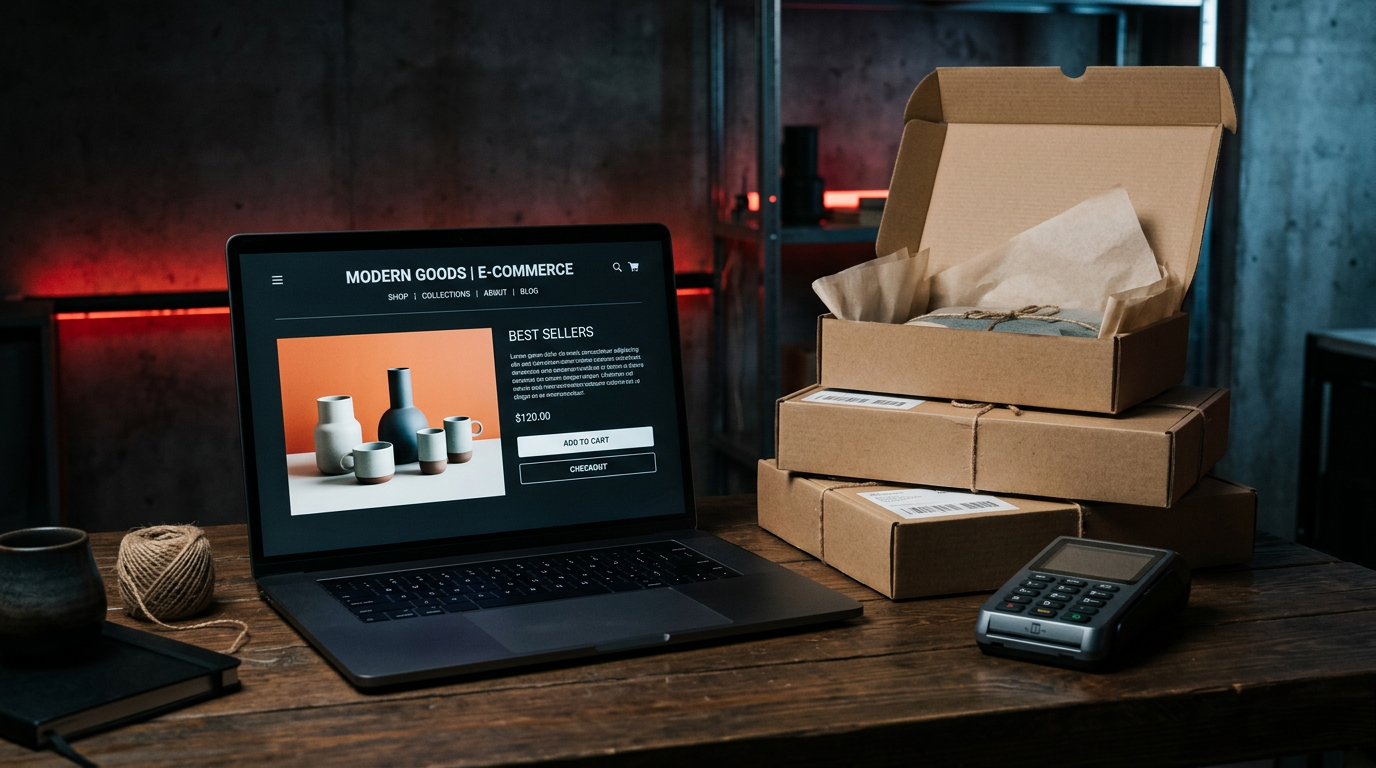
Selling online is no longer optional for most retailers, and Shopify remains the fastest, most reliable way for a small business to do it in 1970. But a store that launches is not the same as a store that sells. This playbook walks through what matters, in the order it matters.
Why Shopify is still the small-business favorite
Shopify handles the hard, invisible parts — hosting, security, PCI-compliant checkout, payments, taxes and shipping rates — so you can focus on products and customers.
It also connects your online store with in-person sales through Shopify POS, so inventory stays in sync whether a customer buys at your counter or on their phone at midnight.
Step 1: Get your foundation right
Before design, nail the basics that every sale depends on.
- Clean product titles, real photos and honest, benefit-led descriptions
- Clear collections that match how customers actually shop
- Shipping, returns and tax settings configured and tested
- A custom domain and professional email address
Step 2: Design for trust and speed
Most Shopify traffic is mobile. Your theme should load fast, show prices and shipping clearly, and make the Add to Cart button impossible to miss.
Trust signals — reviews, secure-checkout badges, a real About page and easy contact options — quietly do a lot of selling for you.
Step 3: Keep your app stack lean
Apps are powerful, but every one adds scripts that can slow your store. Start with essentials — reviews, email capture, and shipping or subscriptions if you need them — and add more only when there's a clear reason.
Step 4: Drive traffic that converts
A beautiful store with no visitors is a hobby. Pair your launch with a traffic plan.
- Collection and product SEO so you show up in Google search
- Google Shopping and Search ads for high-intent buyers
- Instagram ads and social content to build demand
- Email flows for abandoned carts, welcome offers and repeat customers
Step 5: Measure and improve every month
Watch conversion rate, average order value and returning-customer rate. Small, steady improvements to product pages and checkout compound fast.
Ready to launch or rebuild your store? Our Shopify store setup gig covers design, products, payments and launch — or request a custom quote for larger catalogs and integrations.
Keep reading
Scan, Tap, Sold: How QR Codes Turn Foot Traffic into Customers
Web DesignWhy WordPress Still Powers the Web — and When It's Right for You
SEOThe Local SEO Checklist Every Small Business Should Finish This Month
Web DesignWhat Actually Makes a Website Convert (It Isn't the Design)
Digital MarketingGoogle Ads vs. Meta and TikTok: Where Should a Local Budget Go?
Ready to put this to work?
Tell us about your business and we'll send a free estimate.